
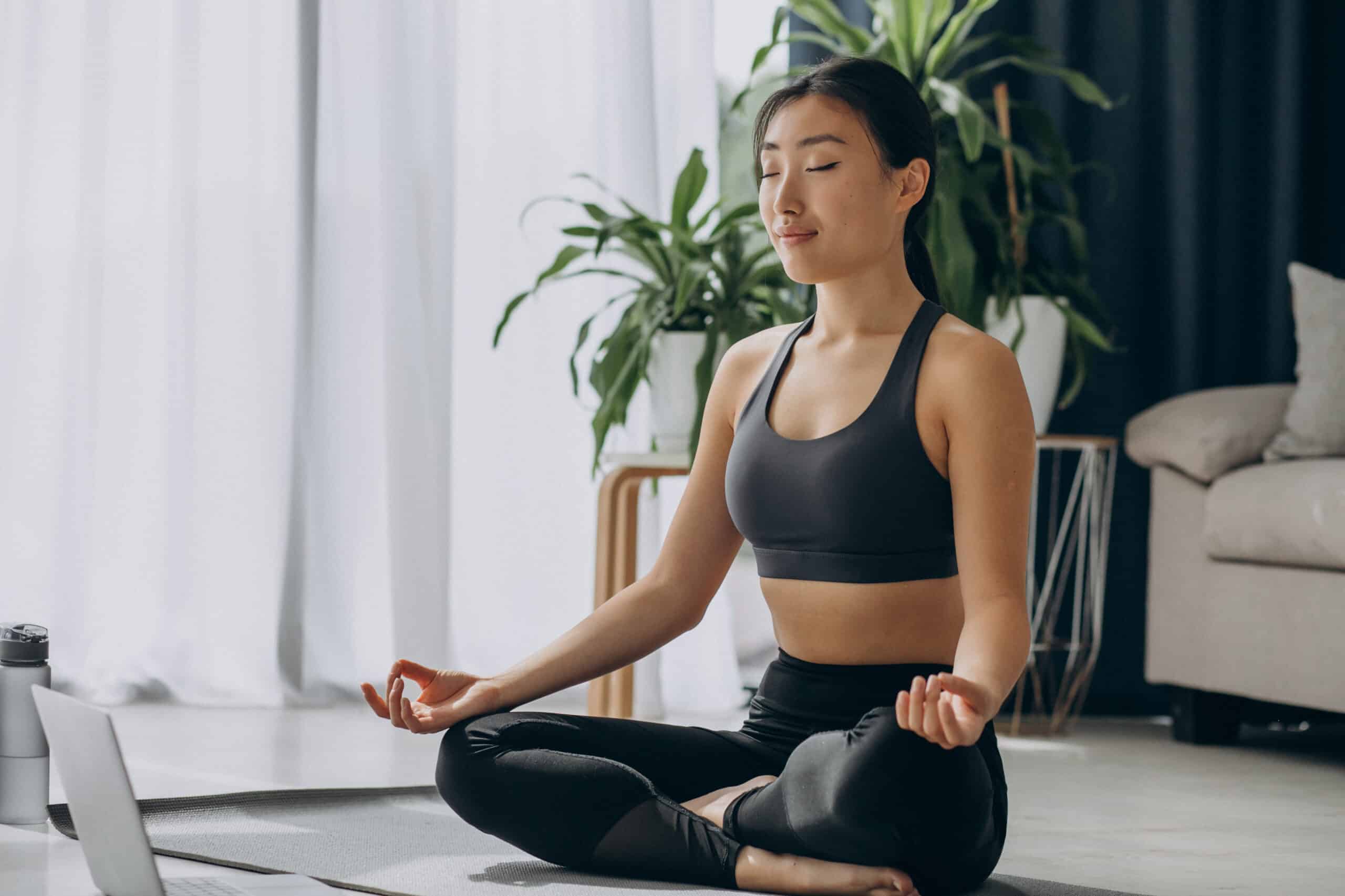
The Power of Yoga for Spinal Health
Yoga is an ancient practice that combines physical postures, breath control, and mindfulness to promote overall well-being. Over the years, it has gained widespread recognition for its ability to improve flexibility, strengthen muscles, and enhance body alignment. Many people turn to yoga to manage back pain, improve posture, and relieve stress—but can it do more than that? Specifically, can yoga help correct scoliosis, an abnormal curvature of the spine?
Scoliosis can develop at any stage of life, from childhood to adulthood, and varies in severity. For some individuals, it causes minimal discomfort, while for others, it can lead to chronic pain, limited mobility, and postural imbalances. This raises an important question: Can yoga fix scoliosis? Let’s explore how yoga impacts scoliosis, whether it can straighten the spine, and what benefits it offers for those living with this condition.
Understanding Scoliosis and Its Impact
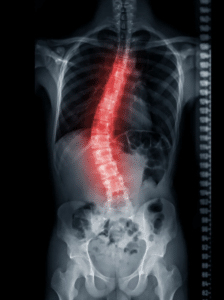
Scoliosis is a spinal condition where the vertebrae rotate and curve to the side, often forming an “S” or “C” shape. The exact cause of scoliosis is not always clear, and it can be classified into different types:
-
Idiopathic Scoliosis – The most common type, often seen in adolescents. Its cause is unknown, but it may have a genetic link. It usually develops during puberty and can worsen if untreated.
-
Congenital Scoliosis – Present at birth due to spinal malformations during fetal development, causing abnormal vertebrae formation. Early detection is important for effective management.
-
Neuromuscular Scoliosis – Caused by conditions like cerebral palsy or muscular dystrophy, where muscle weakness affects spinal alignment. Treatment often involves bracing and physical therapy.
-
Degenerative Scoliosis – Occurs in older adults due to age-related spinal changes like arthritis or disc degeneration, leading to curvature and discomfort.
Depending on the severity, scoliosis can lead to various issues:
- Postural imbalances (such as one shoulder or hip being higher than the other)
- Reduced flexibility and mobility
- Chronic back pain and muscle tightness
- Breathing difficulties in severe cases
In mild cases, scoliosis may require little to no intervention beyond regular monitoring. For more significant curves, other methods such as bracing, physical therapy, or even surgery may be considered. However, many individuals explore alternative approaches to manage their condition, with yoga often being one of the first options they consider.
Can Yoga Fix Scoliosis Completely?
The short answer is no—yoga cannot completely correct or reverse scoliosis if the condition is structural. Unlike functional scoliosis (which is often caused by muscle imbalances or poor posture and can sometimes be addressed), structural scoliosis involves spinal changes that cannot be fully corrected without medical intervention, such as bracing or surgery.
However, yoga can be a beneficial complementary approach to managing scoliosis. It offers several advantages, including:
- Strengthening the Core and Back Muscles – A strong core helps support the spine and can assist in reducing muscle imbalances that may contribute to discomfort.
- Improving Posture and Alignment – Yoga encourages body awareness, helping individuals adjust their posture and reduce discomfort.
- Enhancing Flexibility – Yoga stretches tight muscles, particularly those affected by scoliosis, which may relieve tension and improve mobility.
- Reducing Pain and Discomfort – Many people with scoliosis experience relief from chronic pain through targeted, gentle yoga practices.
- Promoting Relaxation and Mind-Body Connection – Breathing exercises and mindfulness techniques in yoga can help manage stress, which often contributes to muscle tightness and discomfort.
While yoga will not permanently “fix” scoliosis, it can be a valuable approach to enhancing spinal health, alleviating discomfort, and improving overall well-being. In the next section, we will explore some yoga poses that may help those with scoliosis and how to practice them safely.
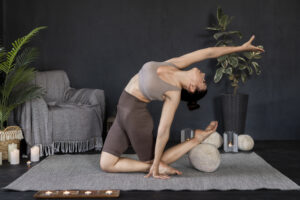
Yoga’s Role in Managing Scoliosis
While yoga cannot permanently correct scoliosis, it can provide a range of benefits that help manage the condition and improve overall well-being:
- Improved Posture: Yoga fosters increased body awareness, which promotes better posture and spinal alignment, helping to alleviate strain on the back.
- Pain Relief: Specific yoga poses can target and release tension in the muscles surrounding the spine, providing relief from discomfort associated with scoliosis.
- Enhanced Flexibility & Mobility: Regular yoga practice can improve flexibility, allowing for better movement and reduced stiffness in the body, especially in the back and torso.
- Core Strengthening: A strong, stable core supports the spine and helps prevent further misalignment, leading to less discomfort and improved spinal health.
While these benefits can significantly improve the quality of life for those with scoliosis, it is essential to practice yoga with proper technique. Incorrect form or inappropriate poses could potentially aggravate the condition, so it is important to approach yoga with caution and seek guidance where necessary.
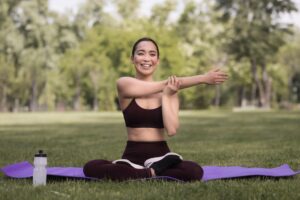
The Synergy Between Yoga and Chiropractic Care: A Holistic Approach to Scoliosis Management
When it comes to managing scoliosis, combining yoga with chiropractic care creates a holistic and effective approach. While yoga helps alleviate discomfort, enhance flexibility, and strengthen the muscles around the spine, chiropractic care directly addresses the structural alignment of the spine itself.
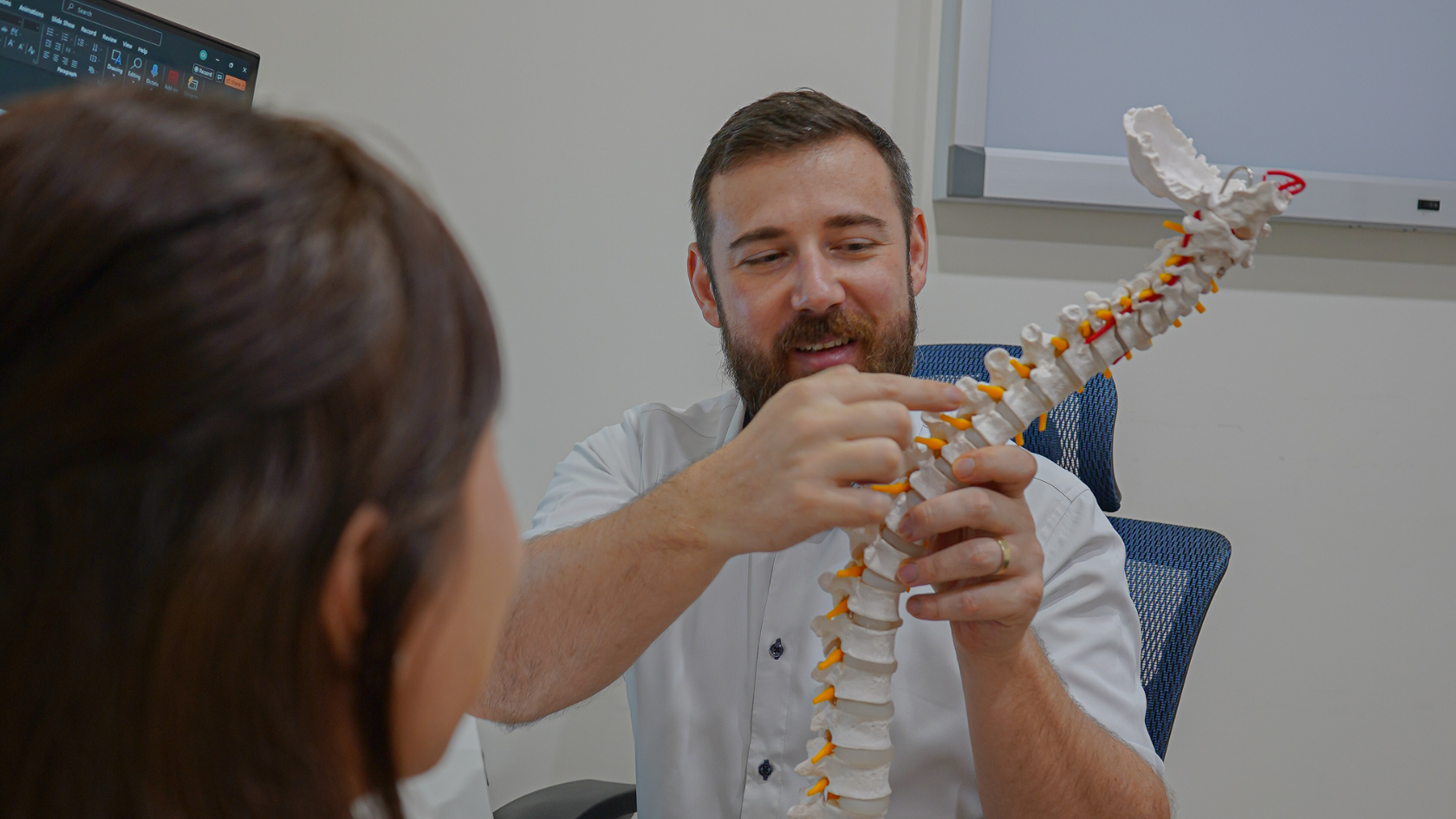
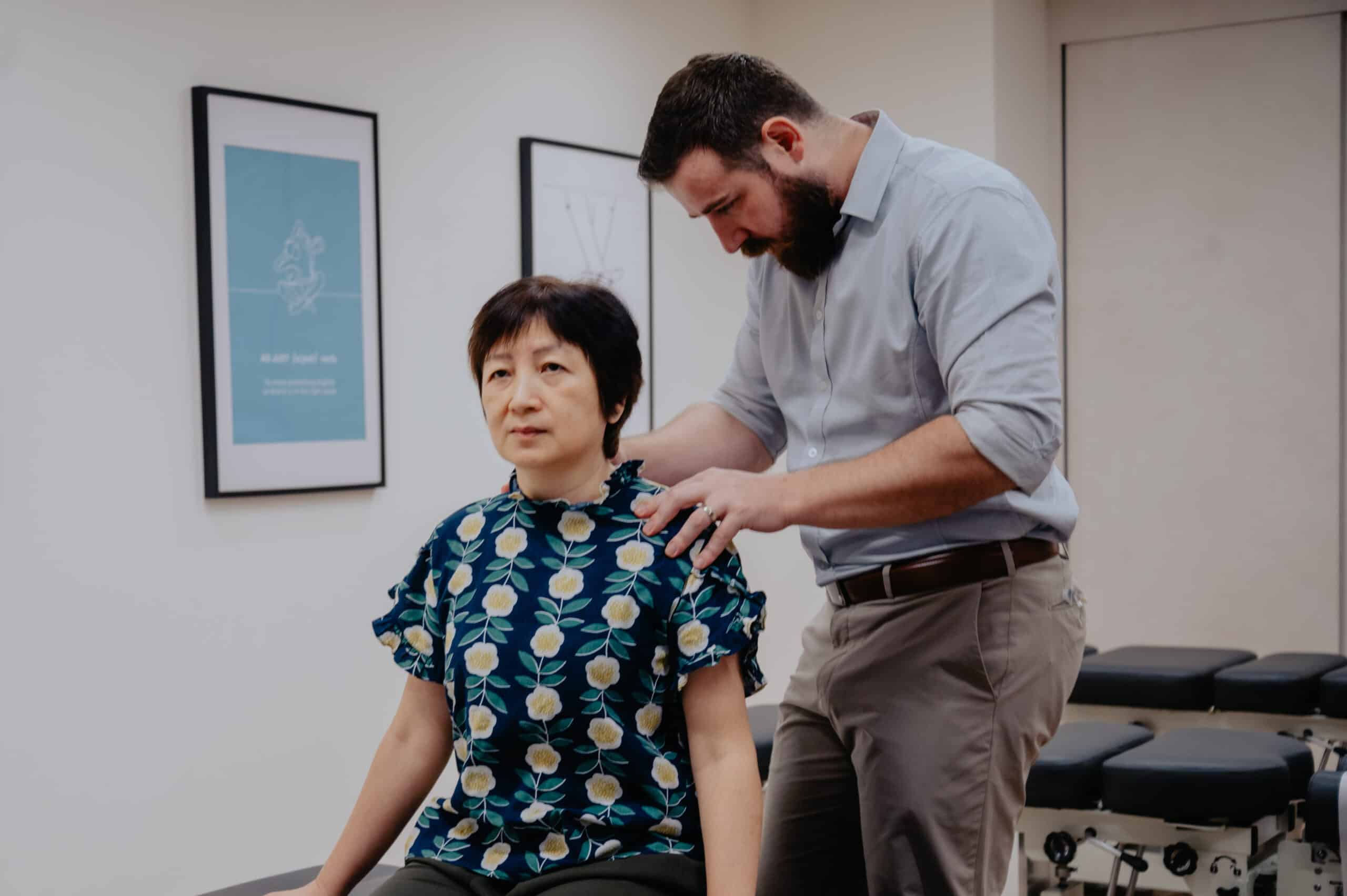
Yoga is particularly beneficial for improving posture, relieving muscle tension, and increasing spinal mobility, making it a valuable tool for managing scoliosis symptoms. However, while yoga targets muscle imbalances and promotes flexibility, it may not fully address the underlying spinal misalignments that contribute to the condition. This is where chiropractic care becomes essential. Chiropractors focus on spinal adjustments that realign the vertebrae, reduce nerve interference, and support overall spinal function.
How Chiropractic Care and Yoga Complement Each Other
Rather than relying solely on yoga, incorporating chiropractic care into your routine can offer comprehensive relief. Here’s how they work together:
- Posture Improvement – Chiropractic adjustments help realign the spine, while yoga reinforces proper posture and body awareness.
- Pain and Tension Reduction – Chiropractic care reduces pressure on nerves, while yoga helps maintain muscle balance and flexibility.
- Enhanced Spinal Mobility – Chiropractic care increase joint mobility, while yoga prevents stiffness and supports movement.
- Core Strength Development – A chiropractor can help target specific muscle imbalances, while yoga complements this by strengthening the core to support the spine.
- Holistic Approach to Wellness – Chiropractic care focuses on spinal alignment, while yoga enhances mental relaxation and stress reduction.
Ultimately, chiropractic care offers a more targeted solution by directly addressing the root cause of scoliosis — spinal misalignment. While yoga can help manage symptoms, chiropractic care is the ideal complement for long-term spinal health, as it works to realign the spine, prevent further curvature progression, and provide lasting pain relief. By incorporating chiropractic care into a comprehensive scoliosis management plan, individuals can achieve both structural alignment and improved flexibility, ensuring better long-term outcomes.
When to Visit a Chiropractor for Scoliosis
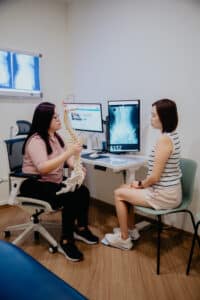
If you experience persistent back pain, discomfort, or posture issues due to scoliosis, visiting a chiropractor should be a priority. Some signs that you may benefit from chiropractic care include:
Best Practices for Managing Scoliosis
To get the best results, combining chiropractic care with mindful movement, such as yoga, can help you manage scoliosis effectively. Here are some recommendations:
- Schedule Regular Chiropractic Visits: Consistent adjustments can help maintain spinal health.
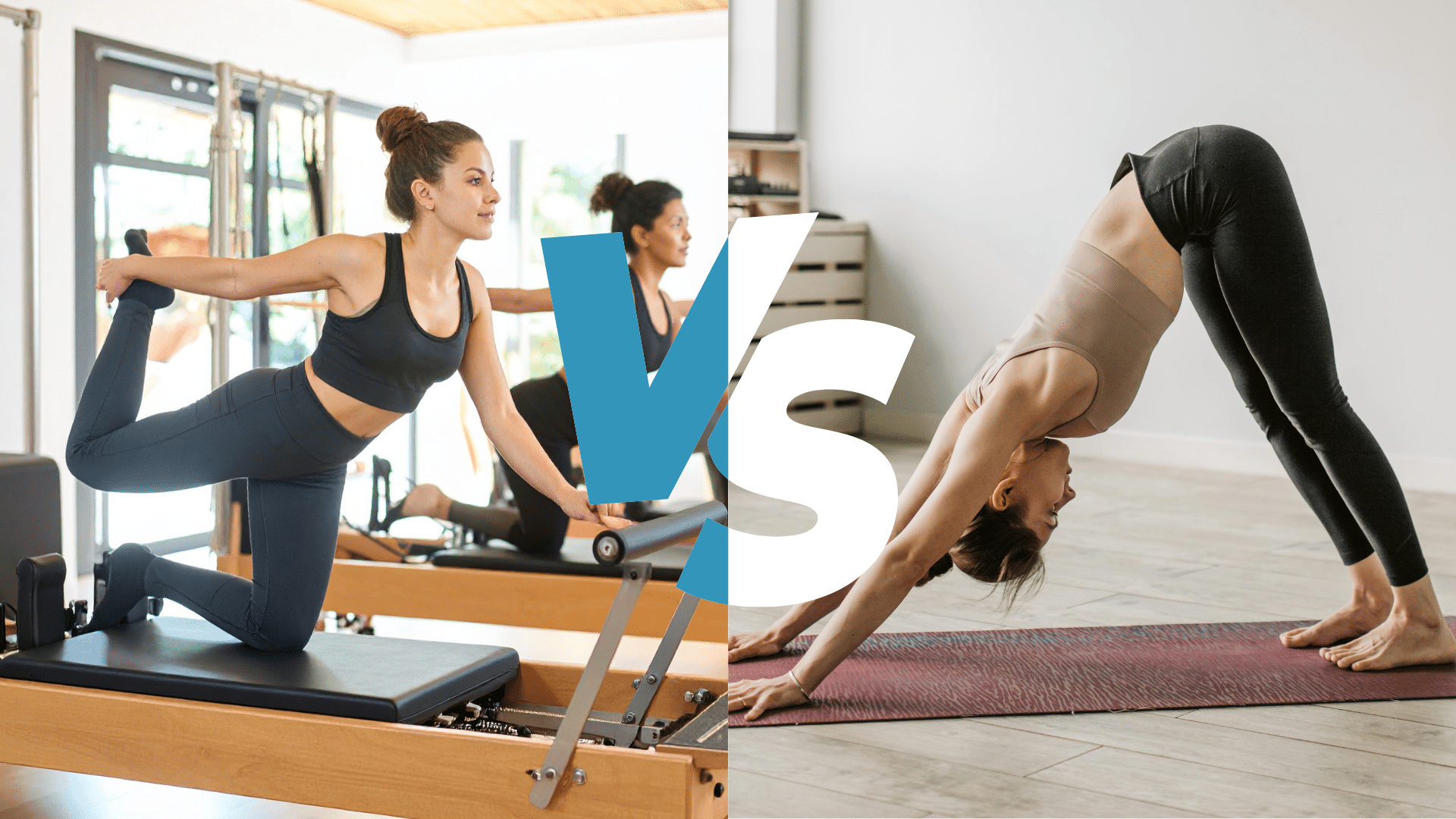
- Use Yoga as a Complementary Practice: Avoid high-impact exercises and focus on gentle, scoliosis-friendly yoga poses.
- Avoid Overstretching: Some yoga poses can strain an already curved spine; work with a professional to ensure proper alignment.
- Listen to Your Chiropractor: Follow a personalised care plan to avoid worsening symptoms.
- Commit to Long-Term Care: Both yoga and chiropractic care work best with consistency over time.
Final Thoughts
If you’ve ever asked, “Can yoga fix scoliosis?” the truth is that while yoga alone cannot correct spinal curvature, it can be a powerful tool in managing symptoms, reducing pain, and improving overall spinal health. However, chiropractic care offers focused spinal adjustments and support that yoga alone may not provide.
If you have scoliosis, consider consulting with our chiropractors at Chiropractic Singapore to develop a personalised plan that combines both professional care and mindful movement practices. Book an appointment today and take the first step towards better spinal health and comfort.